

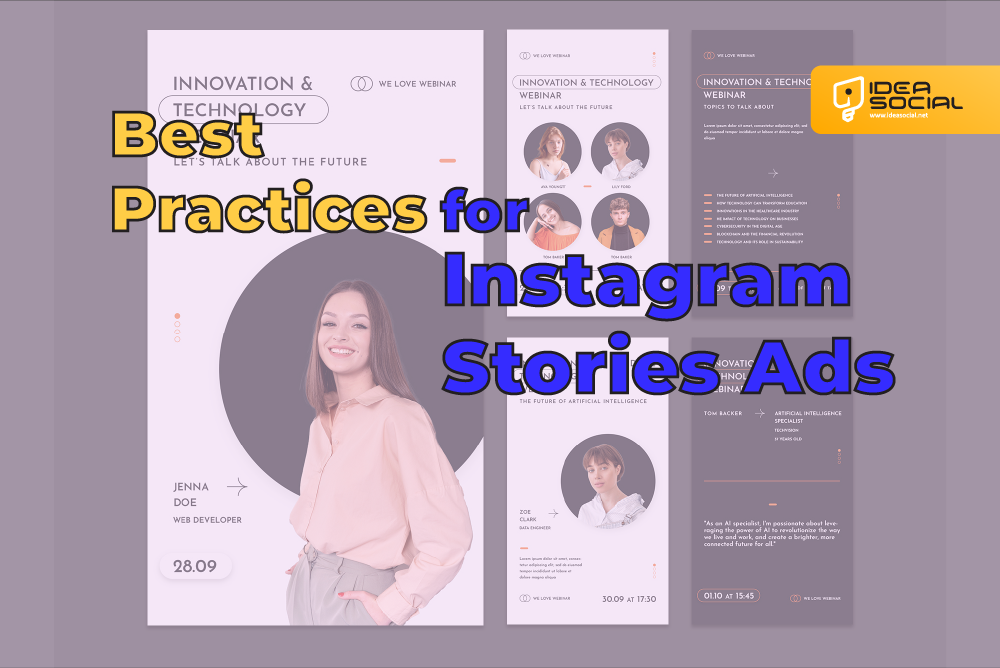
Instagram has completely transformed the way brands connect with audiences. With over 500 million daily active users on Instagram Stories, ads placed here have become one of the most powerful ways to drive conversions. Unlike static posts, Stories are immersive, full-screen, and designed to grab attention instantly. But here’s the catch—if your Stories ads don’t engage, people swipe away in seconds.
So, how do you make sure your Instagram Stories ads actually convert? Let’s dive into the best practices that separate winning campaigns from wasted budgets.
Running Instagram Story ads effectively requires understanding how users interact with your content. If you’re curious about who views your Stories—or want to watch others’ Stories without being seen—check out our guide on the anonymously Instagram Story viewer 2024.
Understanding Instagram Stories Ads
Instagram Stories ads are full-screen vertical ads that appear between organic Stories. They can be photos, videos, or carousels lasting up to 15 seconds each.
Why do they work so well?
They’re naturally integrated into the user experience.
They’re immersive, taking up the full screen.
They allow brands to reach audiences in a casual, storytelling format.
For marketers, this means more engagement, more clicks, and more conversions—if done right.
Know Your Audience
Before creating a single ad, you need to know who you’re talking to.
Use Instagram Insights to learn about demographics, behaviors, and peak activity times.
Dive into interests and pain points—what motivates your audience to take action?
The clearer your understanding, the more personalized (and effective) your ads will be.

Crafting Attention-Grabbing Hooks
You only have 3 seconds to capture attention. If your hook fails, the user swipes away.
Examples of strong hooks:
“Stop scrolling—this could save you $100 today.”
“The secret every fitness coach won’t tell you…”
“This hack will change the way you shop forever.”
Make it bold, direct, and curiosity-driven.
Keep It Short and Sweet
Less is more in Stories ads. Aim for 6–10 seconds to deliver your core message. Don’t cram too much text or too many visuals—it overwhelms viewers. Instead, focus on one clear message per Story.
Use High-Quality Visuals
Blurry, poorly lit ads scream unprofessional. Instagram is a visual-first platform, so invest in high-resolution content. Always design for vertical (9:16 ratio) so your ads look native.
Think about contrast, brand colors, and bold fonts that are readable in seconds.
Leverage User-Generated Content (UGC)
People trust people more than brands. That’s why UGC performs 2x better in Stories ads.
Encourage your customers to share reviews, unboxing videos, or testimonials. Then repurpose them as ads with a branded touch. Authenticity sells better than polished, “perfect” campaigns.
Write Clear and Concise Copy
Your ad needs to tell viewers exactly what to do next. Use short, punchy CTAs like:
“Swipe up to shop now”
“Tap to claim your discount”
“Learn more in seconds”
Remember: clarity converts better than creativity when it comes to calls-to-action.
Add Interactive Elements
Polls, quizzes, sliders, and stickers aren’t just fun—they increase engagement dramatically. An interactive Story keeps people watching longer and encourages clicks.
For example, a clothing brand might ask: “Which look do you prefer?” with a poll. This doubles as market research.
Sound Matters
70% of Stories are viewed with sound on, which means your audio strategy matters. Use catchy music, strong voiceovers, or sound effects to add emotion.
But—don’t forget captions. Many users still watch muted, and without captions, your message is lost.
A/B Testing for Better Results
Never assume one version of your ad will nail it. Run split tests with different visuals, hooks, or CTAs. Analyze CTR (click-through rate), conversions, and retention to find the winning formula.
Leverage Influencer Collaborations
Influencers bring trust and reach. Partnering with them for Story ads feels authentic and less “salesy.”
Best practices:
Choose influencers who align with your brand values.
Let them speak in their natural style (not a scripted ad).
Track results through promo codes or UTM links.
Retargeting With Stories Ads
Not everyone converts the first time. Retargeting lets you reconnect with warm audiences.
Examples:
People who visited your website but didn’t purchase.
Users who abandoned carts.
Followers who engaged with your content but didn’t take action.
Dynamic product ads (DPAs) are especially powerful for ecommerce brands.
Analyzing and Optimizing Performance
Don’t just run ads measure them. Key metrics include:
CTR (Click-through rate): Are people swiping up?
CPC (Cost per click): Are you spending efficiently?
Conversions: Are ads turning into sales?
Use this data to double down on what works and cut what doesn’t.
Common Mistakes to Avoid
Overloading ads with too much text.
Using generic stock photos instead of branded content.
Forgetting that Stories are mobile-first.
Ignoring retargeting opportunities.
Future of Instagram Stories Ads
Looking ahead, expect:
AI-driven personalization where ads adapt in real-time.
More AR and VR integration for interactive shopping.
Seamless integration with Instagram Checkout.
Staying ahead of these trends will keep your campaigns competitive.
Conclusion
Instagram Stories ads are one of the most powerful tools for driving conversions today. But success doesn’t come from throwing content out randomly—it comes from smart strategy. By grabbing attention fast, keeping ads simple, adding interactivity, leveraging UGC, and constantly testing, you can turn casual viewers into loyal customers.
Now, it’s your turn to apply these best practices and start creating Stories ads that actually convert.
FAQs
How long should an Instagram Story ad be?
The sweet spot is 6–10 seconds. Keep it short and focused to maximize conversions.
Do Instagram Stories ads really work for small businesses?
Yes! Even with a small budget, Stories ads can deliver high ROI if targeted and optimized properly.
Should I use video or photo ads in Stories?
Videos usually perform better since they’re more engaging, but high-quality photos with strong CTAs can also work.
How do I track the success of my Stories ads?
Monitor key metrics like CTR, CPC, and conversions through Meta Ads Manager.
Are Instagram Stories ads better than feed ads?
Not necessarily “better,” but Stories ads are more immersive and often drive quicker action because of the full-screen experience.