
In the world of B2B networking, few tools rival LinkedIn when it comes to connecting professionals, building authority, and driving serious business growth. With over 1 billion users worldwide, LinkedIn is no longer just a digital résumé hub it’s a thriving ecosystem for entrepreneurs, sales leaders, and recruiters.
But let’s be honest sending connection requests and waiting for replies can be painfully slow. That’s where LinkedIn InMail steps in and changes the game.
InMail lets you cut through the noise and contact anyone directly even if they’re not in your network. When used strategically, it becomes a powerhouse for lead generation, partnerships, and brand awareness.
In this article, we’ll explore LinkedIn InMail features that drive business success, unpack how it works, share real-world examples, and give you expert tips to help you make every message count.
But before you begin sophisticated messaging campaigns, it’s essential to clean up any legacy accounts that might dilute your presence. Learn how to properly delete an old LinkedIn account without email so you can focus all activity and attention on your current, optimized profile.
What Is LinkedIn InMail?
Definition and Purpose
LinkedIn InMail is a premium messaging feature available to users with a LinkedIn Premium, Recruiter, or Sales Navigator account. It allows you to send private messages to anyone on LinkedIn, regardless of whether you’re connected.
This is particularly valuable for businesses and professionals who want to:
Reach decision-makers directly
Send personalized sales pitches
Recruit top talent
Build partnerships
Network with influencers
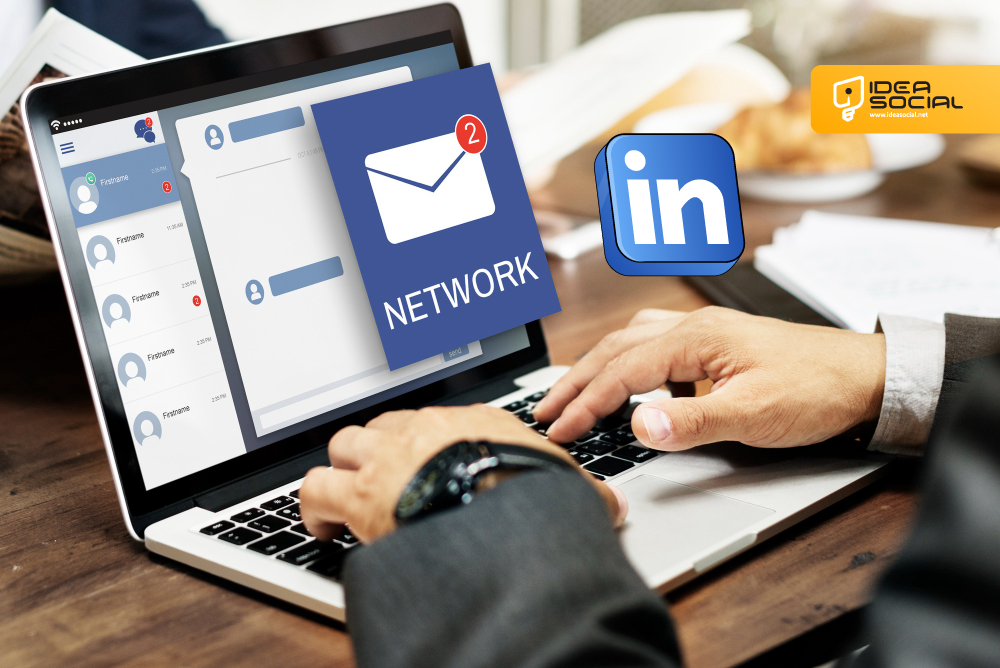
Difference Between InMail and Regular LinkedIn Messages
Here’s the simple difference:
Regular LinkedIn Messages can only be sent to your 1st-degree connections.
InMail Messages can be sent to any LinkedIn user, even if you have no mutual connection.
This removes the biggest networking barrier on LinkedIn limited access giving you the power to reach anyone, anytime.
How LinkedIn InMail Works
If you’ve ever tried cold emailing, you’ll know it’s tough to break through crowded inboxes. LinkedIn InMail offers a more direct, trusted channel.
To send InMails, you need one of the following accounts:
LinkedIn Premium Business
LinkedIn Sales Navigator
LinkedIn Recruiter
Each comes with a set number of InMail credits for example:
Premium: Around 15 credits/month
Sales Navigator: 50 credits/month
Recruiter: 150+ credits/month
When someone responds to your InMail, LinkedIn refunds your credit, encouraging authentic conversations instead of spam.
That means if you send well-crafted, relevant messages your outreach could cost nothing.
Why LinkedIn InMail Is Essential for Business
Let’s face it: modern business success depends on connections. Whether you’re closing deals, recruiting talent, or growing brand awareness, you need to reach people quickly and effectively.
Here’s why InMail is one of the most powerful tools for business growth:
Direct Access to Decision-Makers
No gatekeepers. No cold call barriers. You can message CEOs, CMOs, or founders directly.Personalized and Professional
InMail messages appear inside a professional platform not in a cluttered Gmail inbox. That instantly increases your credibility.Higher Open and Response Rates
According to LinkedIn, InMail messages get 3x more responses than traditional emails.Perfect for All Business Goals
B2B sales
Recruiting top professionals
Partnership proposals
Event invitations
Market research outreach
In short, InMail helps you connect with intent not just connect for numbers.
Key LinkedIn InMail Features That Boost Success
1. Direct Messaging to Anyone
The biggest selling point of InMail is that it removes limits.
You can message any professional, whether they’re in your network or not. This opens doors that are usually closed through traditional LinkedIn messaging.
For example, if you’re a marketing agency owner, you can reach the Head of Marketing at your dream client company directly and professionally.
2. Personalized Subject Lines
Your subject line is the first impression.
A strong subject line can make the difference between your message being opened or ignored.
Examples of high-performing InMail subject lines:
“Loved your recent post on digital marketing trends”
“Quick question about your company’s new product launch”
“Ideas to help [Company Name] attract more leads”
Always keep it personal, short, and curiosity-driven.
3. Message Analytics and Tracking
LinkedIn gives you access to valuable analytics, including:
Open rates
Response rates
Performance by message type
These insights help you identify what’s working and adjust your outreach strategy accordingly.
For instance, if you notice your open rate drops below 30%, it might be time to test new subject lines or adjust your messaging tone.
4. Templates and Saved Responses
Time is money and LinkedIn knows it.
With message templates, you can save your best-performing InMails and reuse them later. This is perfect for sales teams or recruiters who regularly reach out to multiple prospects.
You can still personalize each message while saving time and keeping your tone consistent.

5. Attachments and Links
Want to share a presentation, brochure, or case study? InMail lets you attach files and links safely something not all email systems handle well.
This means you can send:
PDFs with business proposals
Portfolio links
Calendly meeting links
Case study videos
It’s all about making your message actionable.
Feature #1: Advanced Targeting Options
Imagine having the power to find exactly who you want to talk to and message them instantly. That’s what InMail combined with LinkedIn’s advanced targeting offers.
You can filter prospects by:
Job title
Company name or size
Industry
Years of experience
Location
Language
For instance, a SaaS startup targeting Marketing Directors in the US tech sector can easily build a focused list in minutes.
🎯 Pro Tip: Use LinkedIn Sales Navigator for even deeper targeting including filters for company growth rate, recent job changes, and buyer intent signals.
Feature #2: Message Insights and Performance Metrics
What’s better than sending a message? Knowing how it performs.
LinkedIn’s analytics show:
Who opened your message
Whether they clicked your links
Response rates per campaign
This data is gold for improving performance.
You can spot trends like what tone or CTA gets the best engagement and refine your approach.
Over time, your outreach becomes smarter, leaner, and more effective.
Feature #3: Message Personalization Tools
Generic outreach is dead.
If your message looks like a mass send, it’ll likely be ignored.
LinkedIn encourages personalization through easy-to-use profile data. You can mention:
A recent post the person made
Their company’s latest milestone
A mutual connection
Their professional interests
Personal touches like these make people feel seen and increase response rates dramatically.
Example:
“Hi Sarah, I noticed your company recently expanded to Europe congratulations! I specialize in helping brands grow their digital footprint in new markets. Would you be open to a quick chat next week?”
It feels personal, relevant, and respectful not salesy.
Feature #4: Integration with LinkedIn Sales Navigator
Sales Navigator + InMail = pure power.
Sales Navigator helps you:
Identify leads who match your ideal customer profile
Save lead lists and receive real-time updates
See who viewed your profile or interacted with your posts
Send targeted InMails directly
Many businesses use this combo to automate prospecting, nurture relationships, and drive measurable sales growth.
It’s like having a CRM inside LinkedIn.
Feature #5: Automated Follow-Ups
One InMail often isn’t enough. People get busy. That’s why automated follow-ups matter.
You can schedule gentle reminders like:
“Hey John, just wanted to circle back on my previous message would love to hear your thoughts.”
These follow-ups double your chances of getting replies and keep your brand top of mind without being pushy.
Benefits of Using InMail for Businesses
Let’s take a step back why does all this matter for business success?
Here are the top benefits:
1. Lead Generation
Reach prospects in a trusted environment no spam folders, no fake emails.
2. Brand Awareness
Position yourself or your business as an authority by communicating directly with industry leaders.
3. Recruitment
Find and connect with top talent, especially passive candidates who aren’t actively job-hunting.
4. Partnerships and Collaborations
Pitch your company for partnerships, sponsorships, or collaborations with other businesses.
5. Thought Leadership
Use InMail to start meaningful conversations that lead to podcasts, guest posts, and events.
Best Practices for Writing Effective InMails
Start Strong:
Use a short, relevant subject line. Mention a personal detail early.Get to the Point:
Avoid long intros focus on why you’re reaching out.Add Value:
Instead of selling, offer insights, free resources, or collaboration ideas.Use a Clear Call to Action:
End with a simple, low-commitment ask like “Would you be open to a short call next week?”Stay Authentic:
Be human people can spot scripted messages instantly.
Common Mistakes That Increase InMail Costs and Reduce Results
Writing generic or spammy messages.
Ignoring response analytics.
Forgetting follow-ups.
Using salesy CTAs like “Buy now” or “Sign up today.”
Sending messages at the wrong time (avoid weekends).
Real Success Stories
Marketing Agency: Gained 25 new clients in 3 months through targeted InMail campaigns.
Recruitment Firm: Reduced time-to-hire by 60% using Sales Navigator + InMail.
Tech Startup: Booked 50+ demo calls with decision-makers using personalized InMails.
The secret in all these examples? Personalization, persistence, and value-first messaging.
Conclusion
LinkedIn InMail isn’t just another communication tool it’s your direct line to opportunity.
It helps you reach key people, start genuine conversations, and build business relationships that actually matter. Whether you’re in sales, marketing, or recruiting, mastering InMail can skyrocket your growth.
Remember: great InMail messages aren’t about selling they’re about connecting.
FAQs
1. Is InMail better than email for business outreach?
Yes, InMail messages have much higher open and response rates because they’re sent in a trusted professional environment.
2. How many InMails can I send per month?
Depending on your subscription, between 15 and 150+. Unused credits can roll over.
3. Do LinkedIn InMails really work?
Definitely! With proper targeting and personalization, InMails can deliver response rates of 30–45%far higher than typical cold emails.
4. How can I increase my InMail response rate?
Personalize every message, test subject lines, keep it short, and include a soft CTA.
5. What’s the best day or time to send an InMail?
Tuesday to Thursday mornings (9–11 AM) usually see the best engagement.